
Private Luxor Tour from Hurghada
Leaving the pristine beaches of the Red Sea behind to journey inland toward the Nile River is not merely a day trip; it is a profound transition through time and geography. As the coastline fades, the jagged, barren red peaks of the Eastern Desert give way to the verdant, emerald-green sugarcane fields of Qena, before opening up to the monumental realm of ancient Thebes—modern-day Luxor.
Holding over one-third of the world’s ancient monuments, Luxor can easily overwhelm the unprepared traveler. Standard 50-person commercial tour buses treat this legendary capital like an assembly line: dragging weary tourists out of bed at 3:00 AM, wasting two hours collecting guests from a dozen different resorts, forcing uncomfortable group schedules, and stopping at high-commission souvenir shops.
At Manolo Tours Egypt, we believe your encounter with antiquity should reflect the elegance of the Pharaohs themselves. A private Luxor tour from Hurghada with our team is built entirely around your peace of mind, physical comfort, and intellectual curiosity. We put you in full control of your itinerary, backed by modern VIP transport, dedicated university-degreed Egyptologists, and deep local expertise.
Private Luxor Tour from Hurghada
Why Book a Private Luxor Tour with Manolo Tours?
A private Luxor tour from Hurghada with Manolo Tours Egypt provides dedicated door-to-door hotel transfers in a modern, climate-controlled VIP vehicle, a personal licensed Egyptologist guide reserved exclusively for your party, and a 100% tailor-made schedule. By driving directly via the Safaga–Qena desert highway (~3.5 hours each way), you bypass up to 3 hours of collective bus pickups and forced commercial shopping stops. You gain maximum, relaxed exploration time inside iconic world heritage sites including Karnak Temple, the Valley of the Kings, Hatshepsut’s Mortuary Temple, and the Colossi of Memnon.
The Manolo Tours Difference: Why Go Private?
The distance between the Red Sea and Luxor is approximately 280 kilometers (174 miles). How you choose to bridge that distance completely dictates your holiday experience.
When traveling on a standard commercial coach:
You wake up at 03:00 AM, spending 90–120 minutes sitting in a cold bus while it weaves through 10+ hotel security gates in Hurghada collecting up to 50 strangers.
You travel at strict, slow speed limits required for heavy commercial vehicles, adding extra time to the desert route.
Upon arriving in Luxor, you are herded behind a guide shouting into a microphone or holding a raised flag, rushed through temples in 45-minute intervals.
You are inevitably steered into mandatory “alabaster factories” or “papyrus institutes,” where high-pressure sales pitches waste precious daylight.
The VIP Standard of Manolo Tours Egypt:
At Manolo Tours Egypt, we engineered our private excursions to eliminate every single pain point of traditional tourism:
- Direct Lobby Pickup:
Your professional driver arrives at your resort lobby at the exact minute requested (recommended: 05:00 AM). The moment you step into the car, your tour begins—no extra stops.
Smooth, Direct Transit:
Driving a private luxury sedan or VIP minivan via the Safaga–Qena highway shaves off more than an hour each way, getting you to Luxor comfortably in 3.5 hours.
1-on-1 Dedicated Egyptologist:
Your private guide holds a degree in Egyptology and an official license from the Egyptian Ministry of Tourism. They adapt their depth of explanation directly to your personal interest, answering your questions in real-time.
100% Sightseeing Focus:
We operate under a strict zero-forced-shopping policy. You will never be brought to a gift shop or factory unless you explicitly ask your guide to make a stop.
Private Luxor Tour from Hurghada
Route Analysis & Highway Logistics: Hurghada to Luxor
The journey from Hurghada to Luxor is an impressive crossing through two distinct Egyptian landscapes: the coastal desert plateau and the fertile Nile basin. Knowing what to expect during the transfer ensures a completely relaxed travel experience.
The Safaga–Qena Desert Highway
After leaving your Hurghada resort, the vehicle heads south toward Safaga before turning west onto the Safaga–Qena Highway. This modern, well-paved, multi-lane desert road cuts straight through the Red Sea mountains.
Travel Distance:
~280 km (174 miles) door-to-door.
Travel Duration:
Exactly 3.5 hours in a private vehicle (versus 4.5 to 5 hours in a commercial motorcoach).
Highway Safety:
The highway is continuously monitored by the Egyptian Tourist Police, with dedicated checkpoints ensuring total road safety.
The Midway Oasis: Kilometer 85 Rest Stop
Roughly halfway through the desert drive (around 1.5 to 2 hours in), your driver will make a comfort stop at the famous Km 85 Rest Area.
Amenities:
Clean rest facilities, fresh espresso, tea, bottled beverages, snacks, and outdoor seating.
Pro Tip:
Keep a few 10 or 20 EGP notes handy for the restroom attendants at the rest area.
Mobile Connectivity:
Mobile networks (Vodafone, Orange, WE) maintain solid 4G/5G coverage throughout most of the desert highway, with brief light signal drops inside deep mountain passes.
Entering the Nile Valley: Qena to Luxor
At the city of Qena, the desert abruptly ends, yielding to agricultural canal systems, date palms, and sugarcane plantations lining the Nile River. The remaining 50-minute drive south to Luxor offers a picturesque look at rural Egyptian life along the eastern bank of the river.
Private Luxor Tour from Hurghada
Understanding Ancient Thebes: East Bank vs. West Bank Cosmology
To fully appreciate Luxor, one must understand how ancient Egyptians viewed the universe. The Nile River was not just a water source; it was the sacred axis dividing existence:
| SERVICE PARAMETER | MANOLO TOURS ✦ VIP GUARANTEE |
| THE NILE RIVER | WEST BANK Realm of the Dead Where the sun sets
EAST BANK Realm of the Living Where the sun rises
|
The East Bank (Sunrise – Life & Rebirth):
Associated with the rising sun, the East Bank was where people lived, farmed, and built monumental cult temples to worship the gods—principally Amun-Ra (King of Gods), his wife Mut, and their son Khonsu.
The West Bank (Sunset – The Afterlife):
Associated with the setting sun, the West Bank was the sacred necropolis. Here, royal tombs were carved deep into the limestone rock, complemented by massive mortuary temples designed to preserve the Pharaoh’s memory for eternity.
In-Depth Master Itinerary & Monument Walkthroughs
Karnak Temple Complex (East Bank)
Recommended Time: 08:30 AM – 10:30 AM
Duration: 2 Hours
Highlight: The Great Hypostyle Hall & Avenue of Ram-Headed Sphinxes
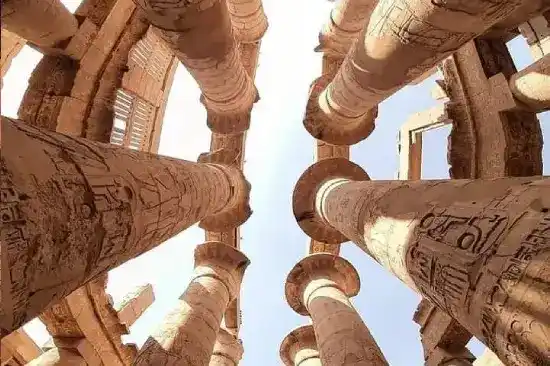
Karnak is not a single temple; it is the largest religious complex ever constructed in human history, spanning over 200 acres. Built, expanded, and modified over 2,000 years by more than 30 successive pharaohs, it served as the official sanctuary of Amun-Ra.
Private Luxor Tour from Hurghada
Key Architectural Highlights:
- The Avenue of Ram-Headed Sphinxes:
The grand entrance lining the path to the First Pylon, where each sphinx holds a small statue of Ramesses II between its paws for divine protection.
The Great Hypostyle Hall:
The undeniable crown jewel of Karnak. Spanning 5,000 square meters, this forest of stone features 134 massive sandstone columns arranged in 16 rows. The 12 central columns soar 21 meters (70 feet) high with papyrus-capital tops large enough for 50 people to stand on.
The Obelisks of Thutmose I & Hatshepsut:
Carved from single blocks of pink granite in Aswan and shipped down the Nile. Queen Hatshepsut’s obelisk stands 29.5 meters high and weighs over 320 tons.
The Sacred Lake & Scarab Statue:
Used by ancient priests for ritual purification. Next to the lake stands a carved granite statue of Khepri (the sacred scarab). Local legend says walking around it counter-clockwise seven times brings eternal luck!
Manolo Tours Expert Tip: Most group tours bottleneck near the First Pylon and central hall. Your Manolo Tours guide will lead you through less-traveled pathways behind the Sanctuary of Philip Arrhidaeus to capture unobstructed photos of the towering obelisks without strangers in your frame.
Private Luxor Tour from Hurghada
Nile River Crossing & Authentic Dining
Recommended Time: 11:30 AM – 01:00 PM
Duration: 1.5 Hours
Highlight: Scenic Nile Cruise & Fresh Mediterranean/Egyptian Buffet
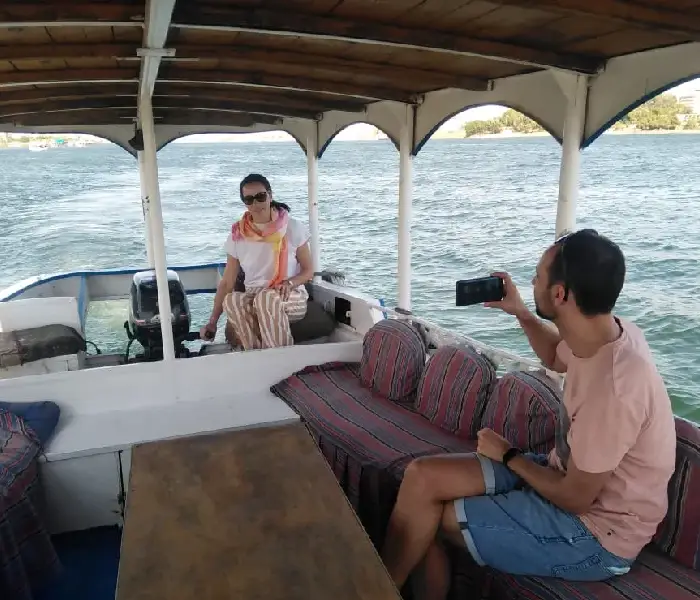
After exploring Karnak, we transition from the East Bank to the West Bank. Rather than driving over the crowded southern concrete bridge, Manolo Tours Egypt provides a relaxing private motorboat crossing on the Nile River.
The Dining Experience:
We handpick quiet, premium restaurants situated directly on the banks of the Nile (or on peaceful river islands like Banana Island upon request).
The Menu:
Enjoy a fresh, high-quality buffet featuring grilled chicken skewers (Shish Taouk), slow-roasted beef, aromatic Egyptian rice, Koshary, warm pita flatbreads, fresh Tahini, Baba Ghanoush, and seasonal fruits.
Dietary Customization:
We easily accommodate vegetarian, vegan, halal, and gluten-free diets. Simply inform your private guide in the morning.
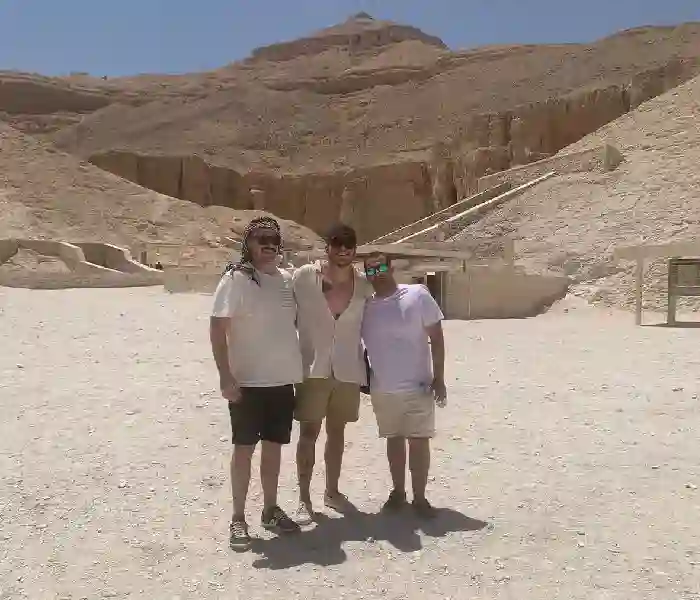
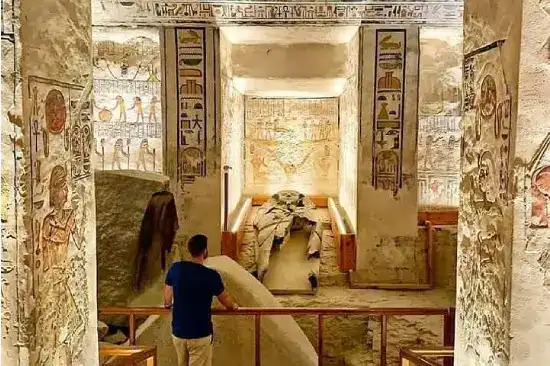
The Valley of the Kings (West Bank – Tomb Breakdown)
Recommended Time: 01:30 PM – 03:15 PM
Duration: 1.75 Hours
Highlight: Subterranean Royal Tombs & Preserved Original Pigments
Hidden deep within a desolate, scorching limestone canyon dominated by el-Qurn (the natural pyramid-shaped mountain peak), the Valley of the Kings served as the principal burial ground for New Kingdom rulers for nearly 500 years (1550–1069 BCE).
Unlike the Pyramids of Giza, which proclaimed royal presence, these rock-cut tombs were designed to hide royal mummies and immense wealth from tomb robbers.
How Your Entry Ticket Works:
Your general entry ticket included in your Manolo Tours package grants access to 3 rotating open tombs. Each tomb consists of descending corridors, pillared halls, and a vaulted burial chamber covered in vivid hieroglyphic inscriptions from sacred funerary texts (Book of the Dead, Book of Caverns, and Amduat).
Detailed Breakdown of Key Open Tombs:
Tomb of Ramses IV (KV2):
Famous for its wide, gently sloping entrance corridor and breathtaking turquoise and yellow celestial ceilings in the burial chamber depicting the sky goddess Nut swallowing the sun.
Tomb of Ramses IX (KV6):
Features beautifully preserved scenes of the Pharaoh offering praise to gods, with cosmic star charts on the vaulted ceiling.
Tomb of Merenptah (KV8):
The second-largest tomb in the valley, featuring massive stone sarcophagus lids that remain in their original positions underground.
Tomb of Ramses III (KV11):
Known as the “Harper’s Tomb” due to famous relief wall carvings of blind musicians playing harps.
Exclusive Optional Tomb Add-Ons (Purchased Separately):
Tomb of Tutankhamun (KV62):
Compact and modest compared to older pharaohs, but historically unmatched. It is the only tomb discovered virtually intact (1922) and houses the actual mummified body of the Boy King inside a climate-controlled glass showcase.
Tomb of Seti I (KV17):
Considered the undisputed artistic masterpiece of ancient Egypt. Extending over 137 meters into the rock, every inch of its wall surface features raised relief carvings and deep lapis lazuli blues.
Private Luxor Tour from Hurghada
Mortuary Temple of Queen Hatshepsut (Deir el-Bahari)
Recommended Time: 03:30 PM – 04:30 PM
Duration: 1 Hour
Highlight: Terraced Classical Architecture against Sheer Limestone Cliffs
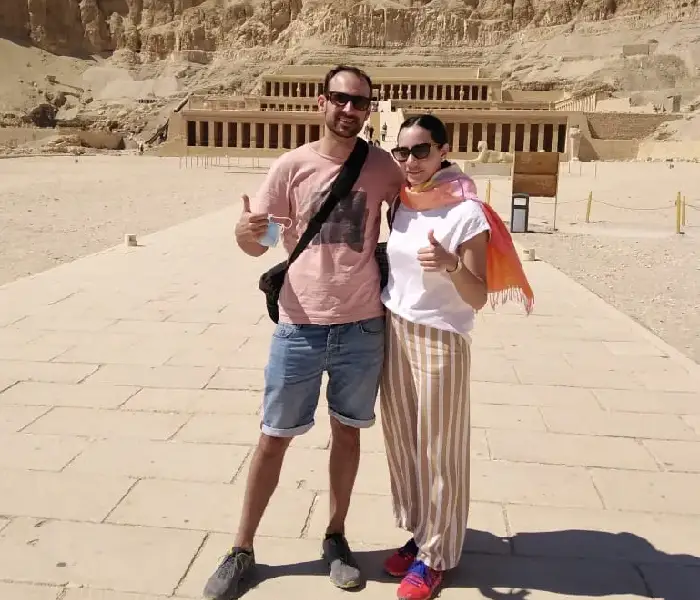
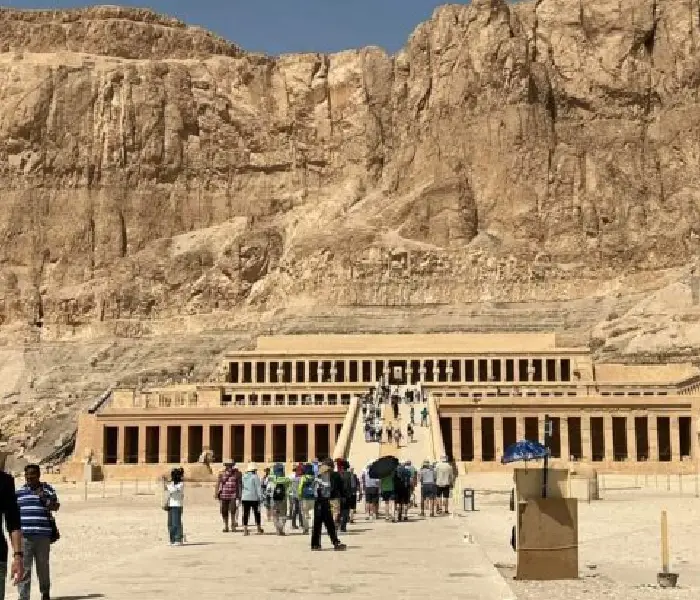
Rising dramatically from the desert floor against a spectacular backdrop of sheer 300-meter-high limestone cliffs, the Mortuary Temple of Queen Hatshepsut (Djeser-Djeseru – “Holy of Holies”) is an architectural wonder designed by her royal architect, Senenmut.
Key Highlights:
The Three Terraced Levels:
Connected by long central ramps leading up to upper sanctuaries dedicated to Amun, Anubis, and Hathor.
The Punt Colonnade:
Intricate wall reliefs depicting Hatshepsut’s famous peaceful trading expedition to the Land of Punt (modern-day Somalia/Eritrea), showing ships carrying frankincense trees, gold, ebony, and exotic animals back to Thebes.
The Birth Colonnade:
Reliefs asserting her divine lineage as the legitimate daughter of Amun-Ra to defend her royal authority as a female ruler.
The Colossi of Memnon
Recommended Time: 04:30 PM – 04:50 PM
Duration: 20 Minutes (Photo Stop)
Highlight: Twin 18-Meter Quartzite Monoliths
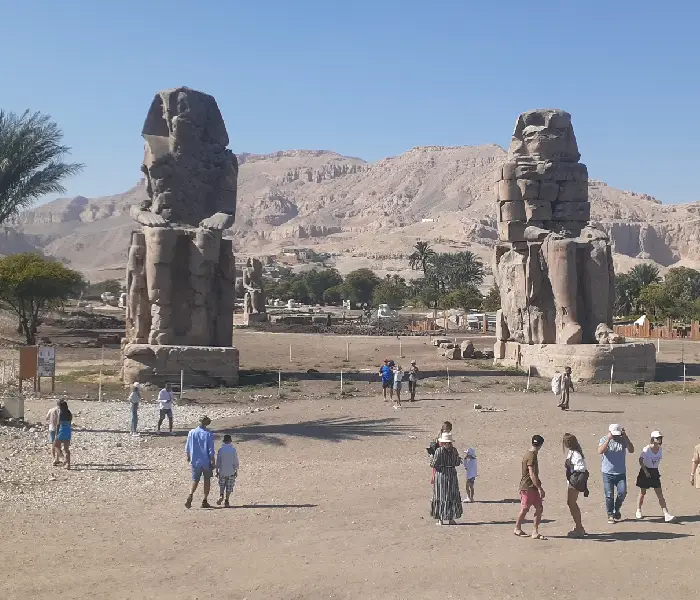
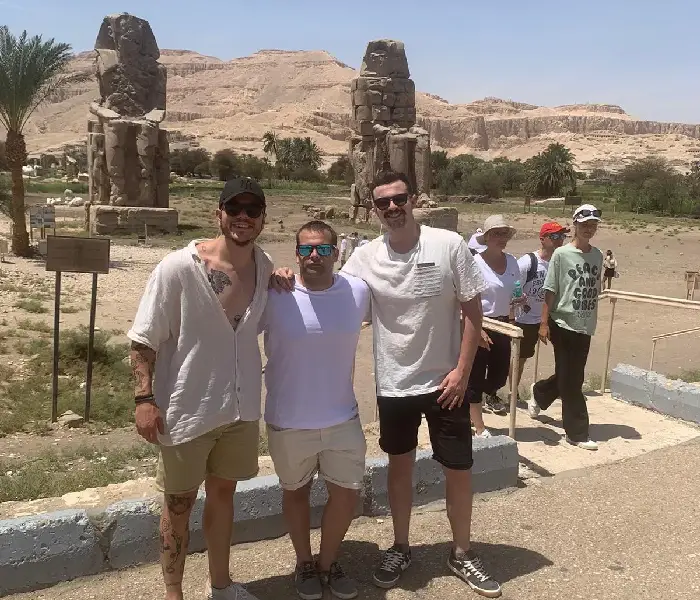
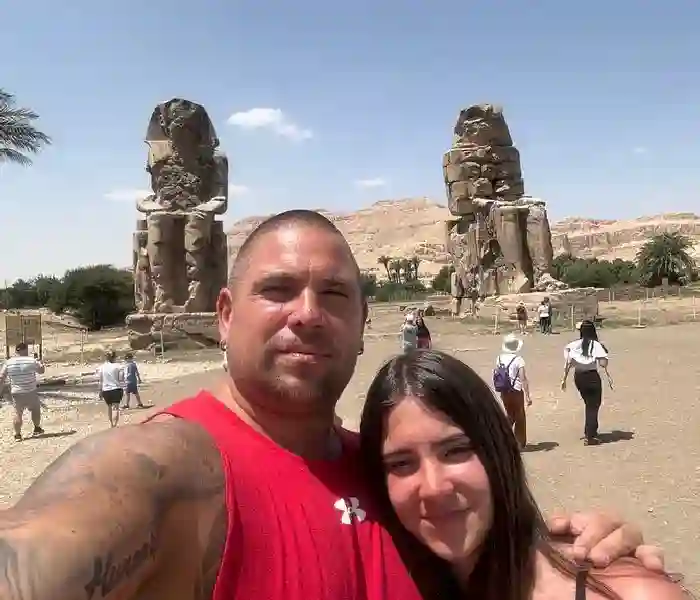
As afternoon light turns golden, we stop at two colossal quartzite stone statues depicting Pharaoh Amenhotep III seated on his throne. Standing 18 meters tall and weighing 720 tons each, these giant monuments originally guarded the entrance to Amenhotep’s mortuary temple—once the largest temple complex in all of Egypt, now mostly destroyed by ancient earthquakes and Nile floods.
Exclusive Add-Ons and Hidden Gems
If you wish to tailor your private day trip beyond the standard highlights, Manolo Tours Egypt can seamlessly incorporate these hidden gems into your schedule:
Sunrise Hot Air Balloon Flight:
Fly over the West Bank monuments as the sun rises over the Nile before meeting your ground driver for the temple tours.
Traditional Nile Felucca Sailing:
Enjoy a peaceful 1-hour sail on a traditional wooden sailboat around Elephantine or Banana Island.
Deir el-Medina (Worker’s Village):
Visit the remarkably preserved stone huts and brilliantly colored private tombs of the ancient artists and craftsmen who carved the Valley of the Kings.
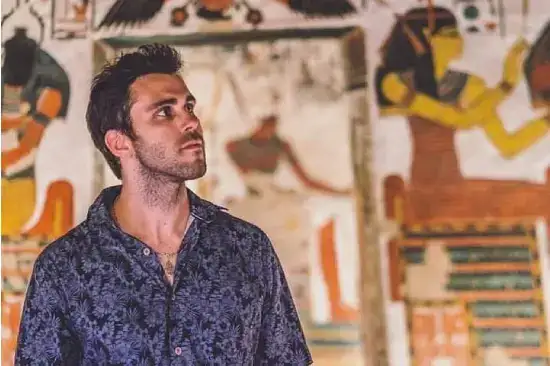
Tomb of Nefertari Valley of the Queens:
Widely regarded as the “Sistine Chapel of Ancient Egypt” for its breathtakingly vivid paintwork.
Private Luxor Tour from Hurghada
Private Luxor Tour from Hurghada Personalized Personas: Tailoring the Day
Every guest travels differently, which is why our private itineraries are customized for specific needs:
For Families with Young Children:
We schedule shaded rest breaks, incorporate child-friendly interactive storytelling with our guide, adjust walking distances, and ensure child safety seats are installed in our minivans.
For Couples & Honeymooners:
We prioritize unhurried, private moments, position you for prime photography without crowds, and reserve intimate Nile-side tables for lunch.
For Seniors & Guests with Reduced Mobility:
We utilize accessible ramps where available, arrange electric golf-cart shuttles at Karnak and Valley of the Kings, and pace walking distances comfortably.
Comprehensive Cost and Tipping Breakdown (Baksheesh Guide)
Transparency is a cornerstone of Manolo Tours Egypt. To help you budget smoothly, here is a practical guide to expenses and local tipping (Baksheesh) during your journey:
| Expense Category | Typical Range (Per Person / Group) | Included in Package? |
| Private VIP Transfer & Fuel | Covered | ✅ Yes |
| Licensed Egyptologist Guide | Covered | ✅ Yes |
| Core Site Entry Tickets | Covered (Karnak, Valley of the Kings, Hatshepsut) | ✅ Yes |
| Nile Buffet Lunch | Covered | ✅ Yes |
| Drinks at Lunch | 50 – 150 EGP ($1 – $3 USD) | ❌ Extra |
| Optional Extra Tombs (Tutankhamun/Seti I) | 500 – 1,800 EGP per extra ticket | ❌ Extra |
| Driver Tipping (Suggested) | $15 – $25 USD per vehicle (Total for party) | ❌ Discretionary |
| Guide Tipping (Suggested) | $25 – $40 USD per group (Total for party) | ❌ Discretionary |
| Restroom Attendants | 10 – 20 EGP per visit | ❌ Small Cash |
Private Luxor Tour from Hurghada Tourist Scams & How We Protect You
Navigating ancient sites can sometimes expose travelers to pushy vendors or local traps. Manolo Tours Egypt acts as your personal shield throughout the day:
The “Free Gift” Trap: Local vendors may offer you a scarab or bookmark as a “gift,” then aggressively demand money once held. Our guide manages vendor interactions so you walk undisturbed.
Fake Site Guides: Unlicensed individuals inside tombs may offer to explain wall art or take photos, demanding high tips afterward. Your personal licensed Egyptologist remains with you at all times.
Imitation Alabaster Factories: Many group buses stop at souvenir shops selling cheap painted resin statues imported from overseas under the guise of local alabaster. We bypass commercial stops completely unless you request an authentic artisan cooperative.

Private Luxor Tour from Hurghada
Seasonal & Weather Strategy
Luxor experiences a desert climate with dramatic seasonal shifts. Planning around weather conditions ensures maximum comfort during your private tour:
Winter Season (November to February):
Weather: Crisp, sunny days with comfortable daytime temperatures ranging from 20°C to 25°C (68°F to 77°F).
Expert Advice: Early mornings in the desert highway can be chilly (around 10°C / 50°F). Wear layered clothing so you can easily adjust as temperatures rise by noon.
Spring & Autumn (March–April & September–October):
Weather: Warm, pleasant days averaging 28°C to 34°C (82°F to 93°F). Ideal conditions for exploring tomb corridors and temple courtyards.
Summer Season (May to August):
Weather: Hot, dry sunshine with afternoon temperatures exceeding 40°C (104°F).
Manolo Tours Summer Strategy: On private tours, we adjust departure times to 04:30 AM, allowing you to explore the open-air West Bank tombs during cooler morning hours, followed by a air-conditioned Nile lunch and indoor/shaded temple visits.
Private Luxor Tour from Hurghada
Frequently Asked Questions (10+ Detailed FAQs)
1. How far is the drive from Hurghada to Luxor?
The distance is approximately 280 km (174 miles) each way. In a private vehicle with Manolo Tours Egypt, the journey takes around 3.5 hours via the Safaga–Qena desert highway, saving you up to 1.5 hours compared to commercial tour coaches.
2. Is a private Luxor tour suitable for families with young children or seniors?
Yes, absolutely. A private tour allows you to customize rest breaks, control walking distances, and adjust departure times according to your family’s physical comfort—making it the ideal choice for multi-generational travelers.
3. What time does the tour start and finish?
While we recommend departing from your resort lobby between 05:00 AM and 05:30 AM, pickup time is 100% flexible. A standard private day trip usually returns to Hurghada between 07:30 PM and 08:30 PM.
4. Are entrance tickets included in the tour price?
Yes. Our standard VIP package includes official entry passes to Karnak Temple, the Valley of the Kings (3 open tombs), Hatshepsut Mortuary Temple, and the Colossi of Memnon.
5. Can I visit the tomb of King Tutankhamun?
Yes! Entry tickets to King Tutankhamun’s tomb (KV62) can be added to your itinerary during booking or requested directly through your private Egyptologist guide upon arrival at the valley.
6. What should I wear during the tour?
We recommend lightweight, breathable cotton or linen clothing, comfortable closed-toe walking shoes or sneakers, sunglasses, and a wide-brimmed sun hat. Modest attire covering shoulders and knees is appreciated when traveling through rural Egyptian towns.
7. How does lunch work on a private tour?
We provide a fresh, high-quality buffet at a handpicked Nile-side restaurant featuring a mix of authentic Egyptian specialties and international dishes. Vegetarian, vegan, and gluten-free dietary needs are easily accommodated.
8. Do we have to stop at shopping factories or souvenir stores?
No. Manolo Tours Egypt enforces a strict zero-forced-shopping policy. Your day is dedicated 100% to sightseeing and relaxation. Shopping stops are only made if you explicitly request them.
9. What safety measures are taken during the desert road drive?
Our drivers adhere strictly to speed limits and safety regulations. All vehicles undergo regular mechanical inspections and hold official tourist transport licenses issued by the Ministry of Tourism.
10. How do I order a breakfast box for the early departure?
Simply inform your Hurghada resort reception desk the evening before your trip (by 08:00 PM) that you have an early excursion. They will prepare a complimentary breakfast box for you to pick up at the lobby upon departure.
Private Luxor Tour from Hurghada
Key Takeaways
A private Luxor tour from Hurghada eliminates wasted pickup hours, crowded group buses, and mandatory commercial shopping detours.
Private transport saves over 2 hours of travel time, optimizing your time inside iconic ancient monuments.
A personal, licensed Egyptologist provides tailored 1-on-1 historical insights according to your specific interests.
Complete itinerary flexibility makes private tours the safest and most comfortable choice for families, couples, and photography enthusiasts.
Book Your VIP Private Luxor Tour from Hurghada Today
Ready to step off the beach and walk among the grand monuments of ancient Thebes? Manolo Tours Egypt is ready to craft an unforgettable, seamlessly managed journey tailored to your exact expectations.