Embark on an extraordinary journey from the sun-drenched turquoise coast of Hurghada to the majestic, timeless golden city of Luxor, where you’ll enjoy a wonderful day out with a Private Tour Hurghada Luxor and experience a profound journey through time.
As modern Red Sea resorts fade into the embrace of the rugged limestone peaks of the Eastern Desert, you tread a path carved by antiquity itself.
For the discerning traveler, a visit to Luxor—the ancient superpower of Thebes—should not be a mere sightseeing tour. It is a sensory immersion in the golden age of the New Kingdom, an empire built on the ambitions of its great kings and its timeless, sacred architecture.
Yet, for many, this bucket-list pilgrimage is compromised by the mechanical rigidity of mass-market tourism. To experience Luxor trapped in a fifty-person tour bus, operating on a synchronized stopwatch and forced commercial detours, is to miss the subtle magic of the Nile’s dual banks.
The colossal pillars of Karnak and the subterranean mysteries of the Valley of the Kings demand a different approach—one rooted in absolute comfort, elite local expertise, and the freedom to linger where history feels most alive. This definitive guide illuminates how a tailored, private expedition elevates your journey from a simple sightseeing excursion into a transformative luxury experience.
Is a private tour Hurghada Luxor worth it?
Absolutely. A private tour Hurghada Luxor is the premier method to explore the world’s most significant open-air museum. While standard group bus tours spend up to 6 hours in transit due to multiple resort pickups and forced commercial stops, an exclusive private tour with Manolo Tours Egypt utilizes executive, climate-controlled vehicles to complete the journey directly in just 4.5 hours. More importantly, it provides a dedicated, licensed Egyptologist guide and total itinerary flexibility.
This allows VIP travelers to arrive at iconic monuments like the Valley of the Kings and Karnak Temple ahead of the massive tour-bus waves, maximizing historical immersion and eliminating crowd fatigue.
BRIDGING THE RED SEA AND THE NILE
Luxor stands as a monumental contrast to the coastal sanctuary of Hurghada. While the Red Sea riviera provides travelers with world-class marine life, contemporary luxury, and modern leisure, Luxor serves as the beating historical heart of Egypt. Located approximately 290 kilometers southwest of the coast, this historic city spans the banks of the Nile River, anchoring a landscape that has fascinated historians, archaeologists, and luxury travelers for centuries.
People visit Luxor because it contains the world’s most significant concentration of intact ancient monuments, temples, and royal tombs. For international travelers, it offers a rare opportunity to step inside the physical spaces where global civilization was shaped.
A private journey from Hurghada is not merely a geographic excursion; it is a meticulously managed transition designed for travelers who seek to balance a premium beach holiday with profound, unfiltered historical immersion. It is best suited for those who appreciate architectural mastery, deep cultural heritage, and the comfort of seamless, private logistics.
THE SACRED LANDSCAPE OF THEBES: HISTORICAL BLUEPRINT
To fully comprehend the scale of Luxor, one must understand the religious and political framework of ancient Thebes. During the New Kingdom period (circa 1550–1070 BCE), Thebes rose to become the glittering superpower capital of the Egyptian Empire. It was the golden age of pharaonic expansion, fueled by the immense wealth flowing from military campaigns and trade networks, all dedicated to the supreme state deity, Amun-Ra.
The topography of Thebes was engineered as a physical map of cosmological belief, intentionally divided by the lifecycle of the sun:
The East Bank (The Realm of Light):
Where the sun rose each morning, representing life, vitality, and renewal. Here, massive state temples like Karnak and Luxor were built as earthly residences for the gods, where pharaohs performed elaborate rituals to maintain Ma’at (universal cosmic balance).
The West Bank (The Realm of Eternity):
Where the sun set behind the jagged limestone peaks, symbolizing the journey into the afterlife. This bank was dedicated to the dead, featuring vast rock-cut royal tombs hidden within the desert valleys and monumental mortuary temples built to sustain the eternal souls of deceased pharaohs.
Understanding this structural division is essential for modern visitors, as it explains why a private tour Hurghada Luxor must navigate both banks in a specific, strategic sequence to fully capture the historical narrative.
DEEP-DIVE ARCHITECTURE: THE MONUMENTS OF THE WEST BANK
The Valley of the Kings (Wadi el-Muluk)
Private Tour Hurghada Luxor-Valley of the Kings
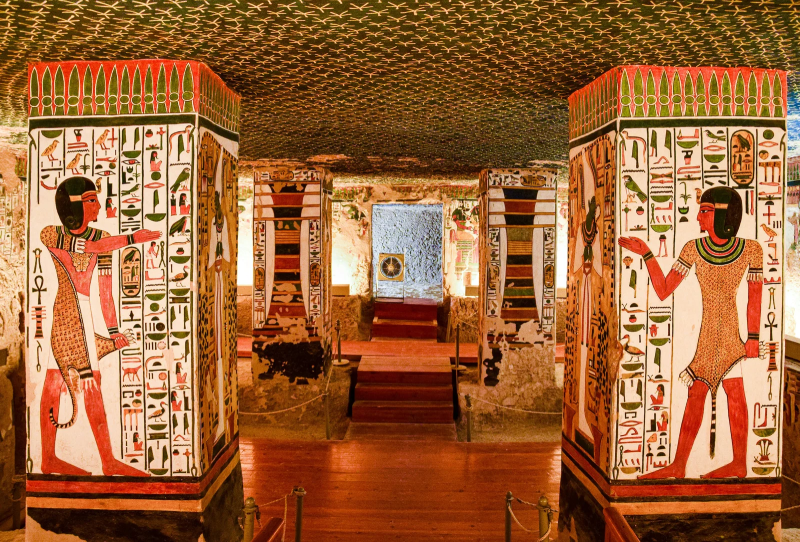
Hidden beneath the natural, pyramid-shaped peak of Al-Qurn, the Valley of the Kings served as the final resting place for the pharaohs of the 18th, 19th, and 20th Dynasties. Moving away from the highly visible pyramids of the Old Kingdom, New Kingdom rulers carved their tombs deep into the limestone cliffs to safeguard their mummies and treasures from grave robbers.
Architectural Marvel:
The tombs feature long, descending corridors cut straight into the rock, leading to grand burial chambers. The walls are covered in vibrant, low-relief carvings illustrating complex funerary texts such as the Book of Gates, the Book of Caverns, and the Amduat—serving as a magical guide for the pharaoh’s safe passage through the underworld.
The Private Tour Hurghada Luxor Advantage:
A standard entry ticket grants access to three open tombs. While mass-market tour buses herd large crowds into the closest available structures, your private Manolo Tours Egypt Egyptologist will evaluate the daily crowd flow and select the three most visually spectacular, well-preserved, and uncrowded tombs open on that specific day (such as the spectacular tombs of Ramses IV, Ramses III, or Merenptah).
Photography Insider Tip:
Standard smartphone photography is permitted and free inside the tombs, but camera flashes must remain turned off to protect the 3,500-year-old organic pigments. For the best interior shots, stand at the threshold of the burial chambers to capture the symmetry of the decorated corridors.
The Mortuary Temple of Queen Hatshepsut (Djeser-Djeseru)
Private Tour Hurghada Luxor-Private Tour Hurghada Luxor-Valley of the Kings
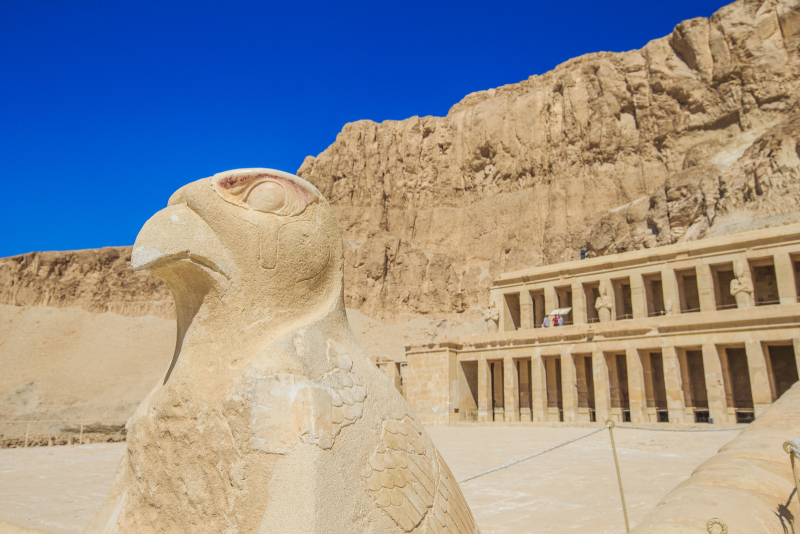
Rising in a series of grand, colonnaded terraces against the sheer cliffs of Deir el-Bahari, the mortuary temple of Hatshepsut is a masterpiece of classical ancient architecture. Designed by her royal architect Senenmut, its clean, horizontal lines blend naturally into the towering limestone mountains behind it.
Historical Significance:
Hatshepsut was one of Ancient Egypt’s most successful rulers, reigning as a full male pharaoh. The temple was engineered not just as a place of worship, but as a bold political statement. Reliefs along the terraces depict her divine birth from Amun-Ra and her famous trading expedition to the wealthy land of Punt, validating her absolute right to rule.
Visiting Strategy:
The open stone terraces reflect intense morning heat. Private tours Hurghada Luxor are carefully timed to explore this site smoothly, taking advantage of the shaded porticoes before the midday sun peaks.
The Colossi of Memnon
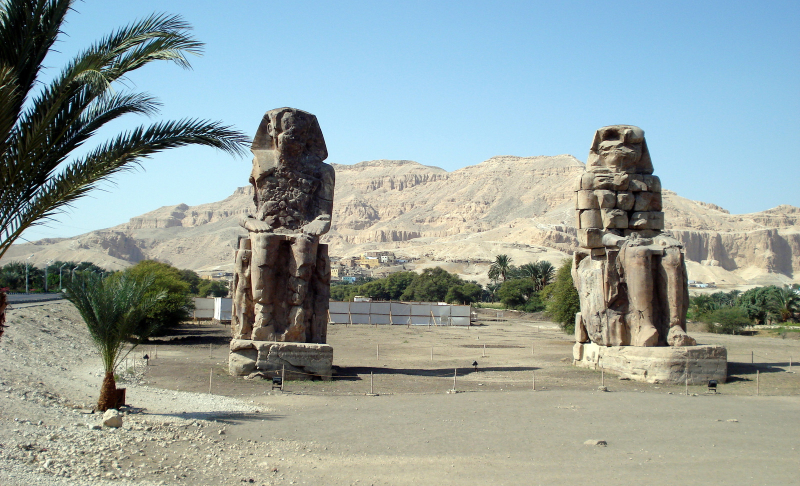
Private Tour Hurghada Luxor-Colossi of Memnon
Standing as silent sentinels on the edge of the fertile Nile floodplains, these two massive sandstone statues, each towering 18 meters high, depict Pharaoh Amenhotep III. They originally flanked the entrance to his mortuary temple—which was the largest religious complex ever constructed on the West Bank, though it was destroyed by ancient earthquakes and stone quarrying.
The Perfect Photo Stop:
Because this site sits directly along the main road connecting the West Bank monuments, your private vehicle will pull smoothly into the dedicated VIP parking area for a swift, unhurried photo session before the large tour buses arrive.
THE LAND OF THE LIVING: EXPLORING THE EAST BANK
The Karnak Temple Complex
Karnak is not just a single temple; it is a sprawling, 200-acre holy city that was continuously built, modified, and expanded over a period of 2,000 years by more than thirty different pharaohs. It stands as the largest religious complex ever constructed by human hands.
The Great Hypostyle Hall:
The undisputed highlight of Karnak is this breathtaking hall, featuring 134 colossal sandstone columns arranged in 16 precise rows. The central 12 columns tower 21 meters into the sky with massive capitals shaped like open papyrus reeds. Walking through this forest of stone reveals intricate carvings of battles, royal offerings, and divine crowns.
The Sacred Lake and the Scarab:
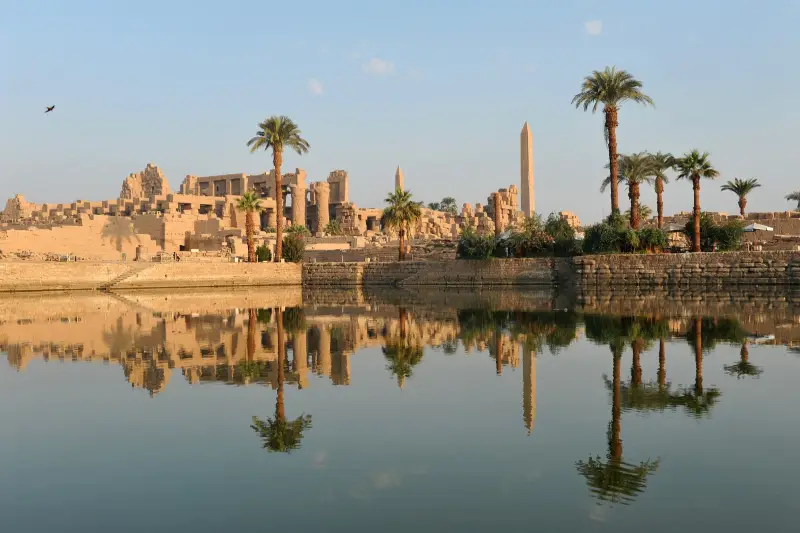
Beyond the main sanctuaries lies the Sacred Lake, where ancient priests purified themselves before performing rituals. Nearby stands the famous monumental granite scarab statue of Amenhotep III, symbolizing Khepri (the god of the rising sun and transformation).
Elite Pacing:
Because Karnak is massive, a group tour can feel like a forced march. Your private guide focuses your energy on the architectural highlights, the hidden chapels of Hatshepsut, and the towering obelisks of Thutmose I and Queen Hatshepsut, ensuring you see the best of the complex without feeling overwhelmed.
HIDDEN GEMS BYPASSED BY MASS TOURISM
Mass-market tourism relies on a rigid route designed to fit large groups into short timeframes. A private expedition with Manolo Tours Egypt breaks away from these limitations, offering discerning travelers access to elite, highly restricted historical spaces.
The Tomb of King Tutankhamun (KV62):
While renowned worldwide, entry to this specific tomb requires an exclusive premium ticket that large group buses systematically bypass due to time constraints. Inside this intimate subterranean space, you can stand directly face-to-face with the actual, scientifically preserved mummy of the boy king, still resting inside his original quartzite sarcophagus.
The Tomb of Seti I (KV17):
Often recognized as the finest tomb in the entire Valley of the Kings, this tomb requires an independent premium admission fee. It extends over 130 meters into the rock and features breathtaking, pristine raised reliefs executed with unparalleled artistic mastery.
The Carter House and Replica Tomb:
Tucked away in a quiet garden near the entrance to the valley sits the authentic mud-brick residence of Howard Carter, the British archaeologist who discovered Tutankhamun’s tomb in 1922. It remains precisely as he left it, complete with his original darkroom, typewriter, and excavation tools. Right outside is a mathematically flawless, high-tech replica of Tutankhamun’s burial chamber, offering an intimate look at the site without the crowds.
THE PERFECT PRIVATE ITINERARY FLOW
This premium timeline is mathematically optimized to ensure maximum historical immersion, zero wasted time, and strategic crowd avoidance.
05:00 AM – Private Resort Pick-up:
Your professional, licensed driver arrives directly at your Hurghada hotel lobby in an executive, climate-controlled vehicle. Relax into your leather seating with complimentary chilled bottled water and a fresh breakfast box prepared by your resort.
09:15 AM – Early Arrival on the West Bank: Cross the desert highway smoothly, bypassing Qena to arrive in Luxor ahead of the heavy tourist traffic.
09:30 AM – Immersive Exploration of the Valley of the Kings: Enjoy an unhurried tour of three magnificent royal tombs with your private Egyptologist detailing the deep mythology of the pharaohs.
11:30 AM – The Terraces of Hatshepsut & Colossi of Memnon: Explore the majestic mortuary temple and capture striking architectural photos with minimal crowds in your frame.
01:00 PM – Private Nile Crossing & Riverside Lunch: Step onto a private, traditional wooden Felucca sailboat. Relax as you glide across the historic Nile River, transferring smoothly to a premium, quiet riverside restaurant for a high-quality lunch featuring authentic Egyptian cuisine.
02:30 PM – Mastering the Great Karnak Complex: Spend the cooler afternoon hours wandering through the Hypostyle Hall, discovering the deep layers of pharaonic history away from the morning rush.
04:30 PM – Private Return Journey: Relax comfortably in your private vehicle as the sun sets over the desert hills, arriving safely back at your Hurghada resort in time for a late dinner.
PRIVATE TRANSIT VS. GROUP BUS
The route across the Eastern Desert from the Red Sea coast to the Nile Valley spans roughly 290 kilometers. How you choose to traverse this distance completely defines your experience of Luxor.
The Group Bus Reality:
A standard budget group tour often begins with a disruptive 03:30 AM pickup. The bus then spends up to two hours stopping at dozens of different coastal resorts to collect fifty separate passengers. Bound by rigid government convoy rules for large commercial vehicles, the bus travels at slower speeds, taking over five hours to reach Luxor. Once there, you are moved as a crowd, bound to a strict megaphone schedule, and forced into long stops at low-quality, commercial souvenir factories to pay commissions.
The Manolo Private Experience:
Departing at a comfortable 05:00 AM, your private vehicle drives directly onto the Safaga-Qena desert highway without a single resort detour. Traveling at optimized passenger-car speeds, you slice the transit time down to just over four hours. You arrive at the monuments refreshed, energized, and completely in control of your day. There are no forced shopping detours, no waiting for late passengers, and you enjoy absolute privacy to absorb the history at your own pace.
SEASONAL PLANNING: WEATHER, CROWDS, AND STRATEGIC VISITING
Luxor features an arid desert climate, which means seasonal variations radically affect your exploration of open archaeological sites.
The Peak Season (October to April): This is the ideal time to visit Luxor. Winter temperatures range from a comfortable 22°C to 30°C, making walking through open stone temples highly enjoyable. However, this period brings the highest volume of international travelers. A private tour is essential during these months to strategically navigate around the crowded schedules of massive Nile cruise ships.
The Shoulder Season (May and September): Temperatures begin to climb, but the reward is significantly fewer crowds at major monuments. Private tours Hurghada Luxor take advantage of this by starting earlier in the morning to explore the West Bank tombs before the afternoon heat peaks.
The Summer Season (June to August): Midday temperatures in Luxor can exceed 40°C. While challenging for some, visiting in summer offers unmatched tranquility at historical sites. With an executive private vehicle, you can retreat into premium air conditioning between monument stops, enjoying a completely exclusive look at the temples that group bus travelers struggle to navigate in the heat.
HOW TO GET THERE: OPTIMIZED TRANSIT LOGISTICS
Traversing the rugged Eastern Desert from Hurghada to the Nile Valley requires a highly secure and well-engineered route. Private expeditions with Manolo Tours Egypt utilize the modern Safaga-Qena desert highway. This fully paved, multi-lane infrastructure is meticulously monitored by the Egyptian Tourism Police and features dedicated security checkpoints to ensure the safety of international travelers.
Private Vehicle vs. Other Modalities
Private Executive Transfer (Recommended): Door-to-door transit takes approximately 4 hours and 15 minutes. Passenger cars and executive vans are permitted to travel at optimized speeds, bypass commercial weigh stations, and proceed directly to historical monuments without intermediate multi-resort detours.
Public Domestic Flights: Flying requires traveling from Hurghada (HRG) back to Cairo (CAI) and connecting to Luxor International Airport (LXR). This indirect routing takes over 6 hours total, making it highly inefficient for a day trip.
Local Trains: There is no direct rail link between Hurghada and Luxor; the closest train terminal is in Qena, requiring an additional private vehicle transfer.
WHERE TO STAY: EXPANDING TO MULTI-DAY EXPEDITIONS
While a single-day private tour Hurghada Luxor completely satisfies the highlights of Luxor, many premium travelers choose to extend their experience into a two-day overnight journey to witness the monuments under nocturnal illumination. When selecting where to stay, the city is geographically segregated by neighborhood profiles:
The East Bank (For Luxury & Convenience): Ideal for couples and premium travelers. Accommodations here sit directly on the Nile waterfront, offering quick access to Karnak Temple, fine dining, and secure local markets.
The West Bank (For Serenity & Heritage): Preferred by independent history enthusiasts and slow-travel advocates. This area features boutique, traditional eco-lodges tucked away near the agricultural flats and ancient monuments, offering exceptional tranquility away from the vibrant city center.
FOOD & LOCAL CUISINE: A PREMIUM CULINARY HERITAGE
An often-overlooked flaw of mass group tours is their reliance on massive, crowded buffet halls that serve generic Western dishes to hundreds of tourists simultaneously. A private journey with Manolo Tours Egypt elevates your lunch into an authentic cultural and sensory experience.
Must-Try Authentic Upper Egyptian Dishes
Tagine : Slow-cooked meats or seasonal vegetables prepared in traditional, heavy clay pots inside wood-fired ovens, seasoned with fresh coriander, cumin, and local spices.
Mahshi : Delicate grape leaves, zucchini, or bell peppers stuffed with a fragrant mixture of spiced Egyptian rice and fresh herbs.
Fresh Nile Tilapia: Locally sourced, perfectly grilled fish caught directly from the river, served alongside fresh sesame tahini and freshly baked Aish Baladi (Egyptian flatbread).
Dietary Accommodations & Safety
Your private guide exclusively selects high-end, hygienic riverside restaurants that feature extensive vegetarian, vegan, and gluten-free menus. All fresh salads and fruits are washed with purified water, ensuring absolute food safety so you can enjoy your culinary journey with complete peace of mind.
PRACTICAL TRAVEL TIPS & LOCAL INSIDER ADVICE
Pro-Insider Tip: The Alabaster and Papyrus Myth
Standard travel agencies allocate up to two hours of your valuable time at heavily commercialized “factories” where aggressive sales tactics are used to sell mass-produced souvenirs. Manolo Tours Egypt enforces a strict Zero-Forced-Shopping Policy. If you genuinely wish to purchase authentic, hand-carved stone statues or certified papyrus art, your guide will escort you directly to genuine, licensed local cooperatives where you can watch genuine artisans work without any sales pressure.
Local Currency and Tipping (Baksheesh): While entrance tickets to sites like Karnak and the Valley of the Kings are completely cashless (requiring credit or debit cards), carrying small denominations of Egyptian Pounds (EGP) is essential for tipping drivers, temple guards, and bathroom attendants.
Dress Codes for Ancient Monoliths: There are no strict religious dress mandates for open-air archaeological sites, but lightweight clothing that covers your shoulders and knees provides highly effective protection against both the intense desert sun and rough limestone walls.
Staying Connected: High-speed mobile data networks (4G/LTE) are accessible along most of the Safaga-Qena desert highway and are fully stable at all major archaeological complexes in Luxor.
COMMON MISTAKES TOURISTS MAKE (AND HOW TO AVOID THEM)
Mistake 1: Visiting the West Bank Too Late
- The Result: Arriving at midday means exploring open stone tombs when temperatures peak and massive tour buses crowd the narrow valley entrances.
- The Private Alternative: Your private car transfers you directly to the Valley of the Kings by 09:30 AM, ensuring you explore the deep underground chambers in cooler, tranquil conditions.
Mistake 2: Choosing Tours Solely Based on the Lowest Price
- The Result: Cheap tours frequently compromise on vehicle safety, crowd you into slow buses, omit premium site entry fees, and waste hours at commercial shopping stops to recover costs via commissions.
- The Private Alternative: Investing in an enterprise-grade private tour guarantees a pure historical focus, certified expert guides, luxury vehicles, and a completely stress-free experience.
WHO IS THIS DESTINATION FOR?
Families with Children: Private tours allow parents to adjust the pacing dynamically. If children experience temple fatigue, you can instantly swap a hot afternoon walk for a refreshing boat ride on the Nile.
Couples & Honeymooners: Bypassing noisy tour groups provides an intimate, romantic atmosphere to explore the ancient world, complemented by a private lunch overlooking the river.
Senior Travelers: Executive vehicles offer smooth, comfortable transportation right to the main gates of each monument, eliminating long, exhausting walks from distant public bus parking lots.
COST GUIDE: TRANSPARENT BUDGETING
A premium private tour provides a completely transparent financial framework, ensuring you face zero hidden fees or unexpected surcharges during your journey.
Official Monument Admission: Entry tickets are strictly regulated by the Ministry of Tourism and Antiquities. Prices are clearly displayed at automated electronic kiosks and must be paid via major international credit cards.
Premium Upgrades: Special access tickets for highly restricted sites—such as the interior of King Tutankhamun’s tomb or the magnificent tomb of Seti I—can be seamlessly integrated into your private itinerary upon request.
Incidental Expenses: Budget approximately $20 to $30 USD in local currency (EGP) per person for personal items, cold beverages, and standard tipping gratuities throughout the day.
SAFETY INFORMATION & RESPONSIBLE TOURISM
Luxor maintains a highly welcoming environment for international travelers. The entire tourist zone is actively monitored by specialized Tourism and Antiquities Police officers.
Health & Weather Precautions
Because Upper Egypt features an arid desert climate, hydration is critical. Carry a reusable water flask, utilize high-SPF sunscreen continually, and take advantage of the shaded rest zones your private Egyptologist will point out at every site.
Sustainable & Respectful Travel
Ancient Egyptian monuments are fragile historical treasures. Avoid touching the decorated, painted reliefs inside the tombs, as moisture and oils from hands can cause irreversible damage to the 3,500-year-old pigments. Additionally, buying authentic crafts from local heritage artisans directly supports the community and helps preserve traditional Egyptian craftsmanship.
FREQUENTLY ASKED QUESTIONS (FAQ SCHEMA READY)
Is the road from Hurghada to Luxor safe for private cars?
Yes, it is highly secure. The Safaga-Qena desert highway is a modern, well-maintained multi-lane road heavily patrolled by the Egyptian police, featuring dedicated safety checkpoints along the entire route.
Can I visit King Tutankhamun’s tomb on a private day trip?
Absolutely. Unlike standard group tours that skip this site due to time limits, a private tour with Manolo Tours Egypt can include a dedicated stop at King Tutankhamun’s tomb (KV62) in the Valley of the Kings, allowing you to see his actual mummy and sarcophagus.
What happens if I want to spend more time at Karnak Temple?
Because your tour is 100% private, you dictate the schedule. If you wish to spend extra time capturing photographs or exploring hidden chapels with your guide, the itinerary adapts instantly to your pacing.
Is a private tour suitable for travelers with limited mobility?
Yes. Private vehicles have direct access to VIP drop-off zones close to monument entrances. At sites like the Valley of the Kings, electric golf carts are available to transfer you smoothly from the gates to the tomb openings, minimizing physical strain.
Are meals included in the private tour package?
Yes. Premium private tours include an authentic, high-quality lunch at a select riverside restaurant on the Nile, away from crowded tourist buffets, with full accommodations for any dietary requirements.
Can we customize the tour to include Luxor Temple at night?
Yes. For travelers opting for a custom or extended itinerary, the tour can be tailored to include the spectacular evening illumination of Luxor Temple on the East Bank.
Why do standard bus tours take so much longer?
Mass group buses must visit up to 15 different resorts in the morning to collect up to 50 passengers, adding hours of delays before even reaching the main highway. They are also subject to rigid commercial speed limits and forced shopping stops.
Do I need to buy monument tickets in advance?
All official ticketing is now digital and cashless. When booking a premium tour with Manolo Tours Egypt, all primary entrance tickets are pre-arranged and secured in advance, allowing you to bypass the public ticket window lines entirely.
Is it safe to drink water in Luxor?
Only drink sealed, bottled water or purified water provided inside your private vehicle and at premium restaurants. Avoid tap water for drinking or brushing teeth.
Can I take photos inside the Valley of the Kings?
Yes, smartphone photography is free and permitted inside the standard open tombs. Flash photography is strictly prohibited to preserve the ancient artwork.
KEY TAKEAWAYS
Complete Efficiency: Private transit saves up to 4 hours of unnecessary travel time, giving you a smooth, direct journey through the desert.
Crowd Avoidance: Flexible scheduling allows you to explore iconic monuments ahead of the massive tour-bus waves.
Pure Historical Focus: A strict zero-forced-shopping policy guarantees your entire day is dedicated exclusively to authentic history and cultural discovery.
RECOMMENDED PACKAGES BY MANOLO TOURS EGYPT
To experience these ancient wonders in absolute comfort, select the signature itinerary that best matches your travel style:
The Signature Private Luxor Day Expedition: Our flagship itinerary, featuring seamless door-to-door luxury transfers, a dedicated private Egyptologist, an authentic Nile crossing, and full access to the premier highlights of both the East and West Banks.
The Exclusive Elite Antiquities Tour: Designed specifically for dedicated history enthusiasts, incorporating pre-arranged premium admission tickets to the restricted tombs of King Tutankhamun and Seti I.
The Two-Day Overnight Luxury Journey: An unhurried, comprehensive exploration that includes a magical sunset Nile sail, evening temple illuminations, and optional early-morning Hot Air Balloon flights over the West Bank cliffs.
THE MONUMENTS DEMAND LUXURY
Standing amidst the colossal stone columns of Karnak or descending into the brilliantly painted royal tombs of the Valley of the Kings is a deeply moving experience that should not be rushed or compromised. Your journey from the Red Sea coast to the ancient capital of Thebes is a rare opportunity to connect directly with the roots of human civilization. By choosing a tailored private experience, you ensure that every moment of your day is defined by comfort, depth, and absolute peace of mind.